₹501 Shagun: Meaning, Cultural Significance of Five, and When to Give It
Why ₹501 is the default shagun for engagements and close-family functions in India, what the number five represents culturally, and how it sits between ₹101 and ₹1,100.
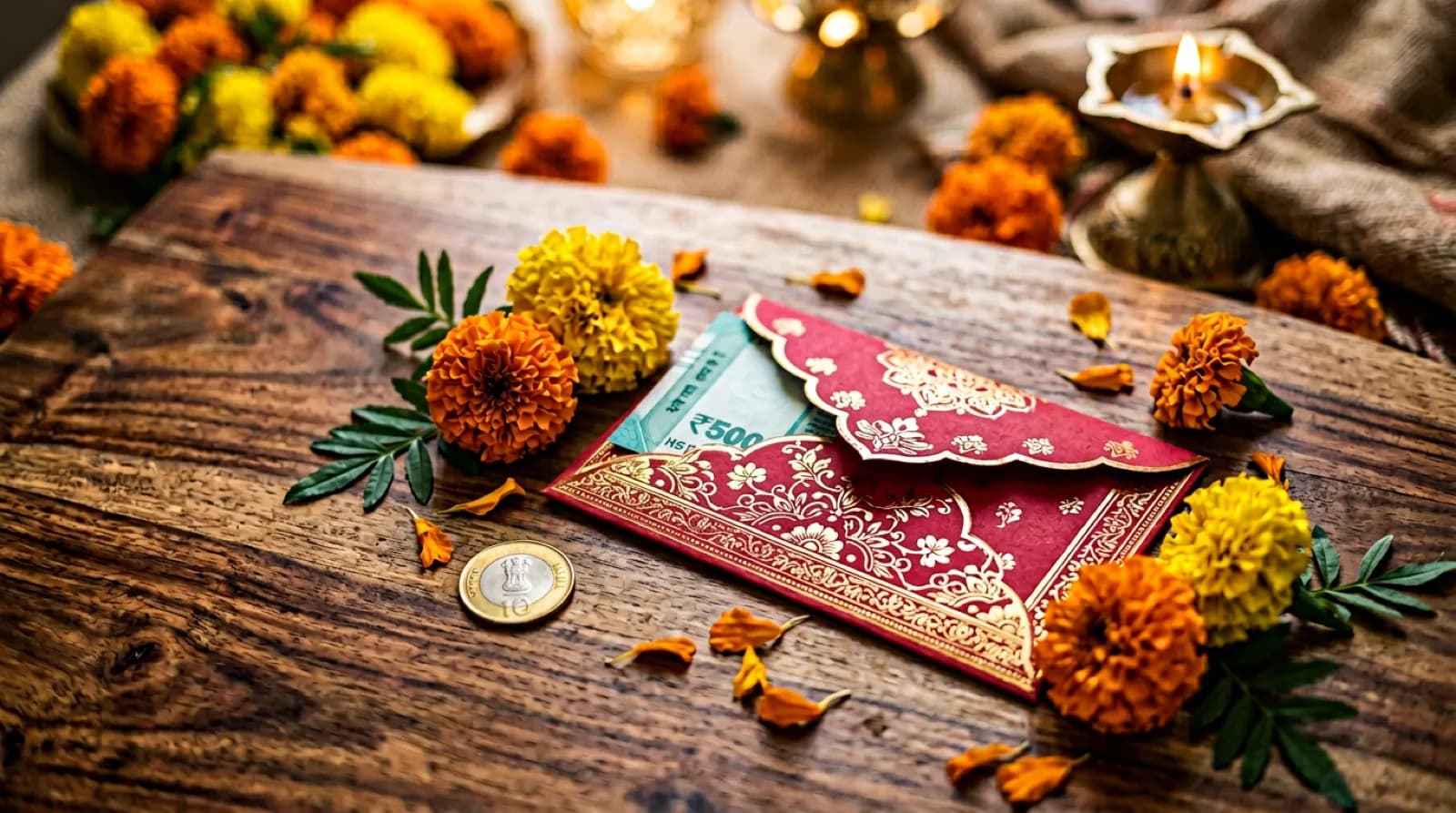
Key takeaway
₹501 is the next tier above ₹101 in Indian shagun culture — the amount families reach for when the occasion is bigger than a casual visit and the relationship is closer than acquaintance. It is the de…
Quick meaning
₹501 is ₹500 plus an extra ₹1. The five carries Hindu cultural associations with the five elements and senses, while the +₹1 makes the blessing open-ended.
What ₹501 represents
₹501 sits in a sweet spot in the shagun hierarchy. It is large enough to feel like a real blessing for a major occasion, but small enough that anyone with a working middle-class income can comfortably give it without it becoming a financial event in itself. Like ₹101, the structure of the amount carries the meaning: ₹500 is the recognisable round number, and the +₹1 is what makes it shagun rather than a payment.
Many families describe ₹501 as the ‘default wedding shagun’ from extended family. It signals that you have shown up for the occasion thoughtfully — not the lightest amount, not the heaviest, but a clear and respectful blessing.
Why ‘five’ is auspicious
The number five has a strong place in Hindu cultural thought, which is why amounts built around five (₹51, ₹501, ₹5,100) appear so often in shagun. Several layered meanings exist, depending on which tradition someone draws from:
Common associations with five
- Pancha Mahabhuta — the five great elements: earth, water, fire, air, and ether, considered the building blocks of all existence.
- Pancha Tattva — the five principles of nature used in worship and ritual.
- Pancha Indriyas — the five sense organs through which we experience the world.
- Pancha Pranas — the five vital airs that sustain life in yogic thought.
- Panchamrit — the five sacred ingredients (milk, curd, honey, ghee, sugar) offered in many pujas.
None of this means a family giving ₹501 is consciously invoking the Pancha Bhutas. It means the number has accumulated centuries of auspicious association, which is why it feels right when chosen for a major life moment.
When ₹501 is the right amount
₹501 is the most common shagun amount at engagements, sangeet, mehendi, and smaller wedding receptions across North India. It also works well as the blessing-portion of a larger physical gift. Typical situations where ₹501 lands well:
Strong fits for ₹501
- Roka or engagement ceremony — given as a blessing to the engaged couple.
- Wedding shagun from cousins, family friends, neighbours, or colleagues.
- Sagai or ring-exchange ceremony where you are not immediate family.
- Anniversary celebrations of close-but-extended family.
- Griha pravesh (housewarming) of a close friend.
- Significant birthdays — first birthday, sixteenth, or milestone elders’ birthdays.
- Token shagun on top of an expensive gift like jewellery or appliances.
₹501 vs ₹101 — when to step up
A useful rule many families follow: if the host has spent significantly on hosting you (catering, venue, gifts to guests), or if the occasion is once-in-a-lifetime for them, step up from ₹101 to ₹501. The amount is not a payment for the meal, but the social expectation in many communities is that close relatives at major functions give at least ₹501.
Do
- Give ₹501 from cousins, aunts and uncles at weddings and engagements.
- Use ₹501 when you are the senior person blessing a younger relative’s first major function.
- Round to ₹501 when you cannot decide between ₹201 and ₹1,100 — it is the safe middle.
Do not
- Default to ₹501 from immediate family at a wedding — ₹1,100 or higher is more typical.
- Add even-rupee tips to ₹501 (avoid ₹501 + ₹500 = ₹1001 — still odd, but feels stitched together. Step up to a cleaner ₹1,100 instead).
- Feel that ₹501 is excessive for small functions — it never is, but you may notice it stands out.
How families present ₹501
Because ₹501 marks slightly bigger occasions, presentation tends to be more deliberate than for ₹101. Common conventions include:
Presentation conventions
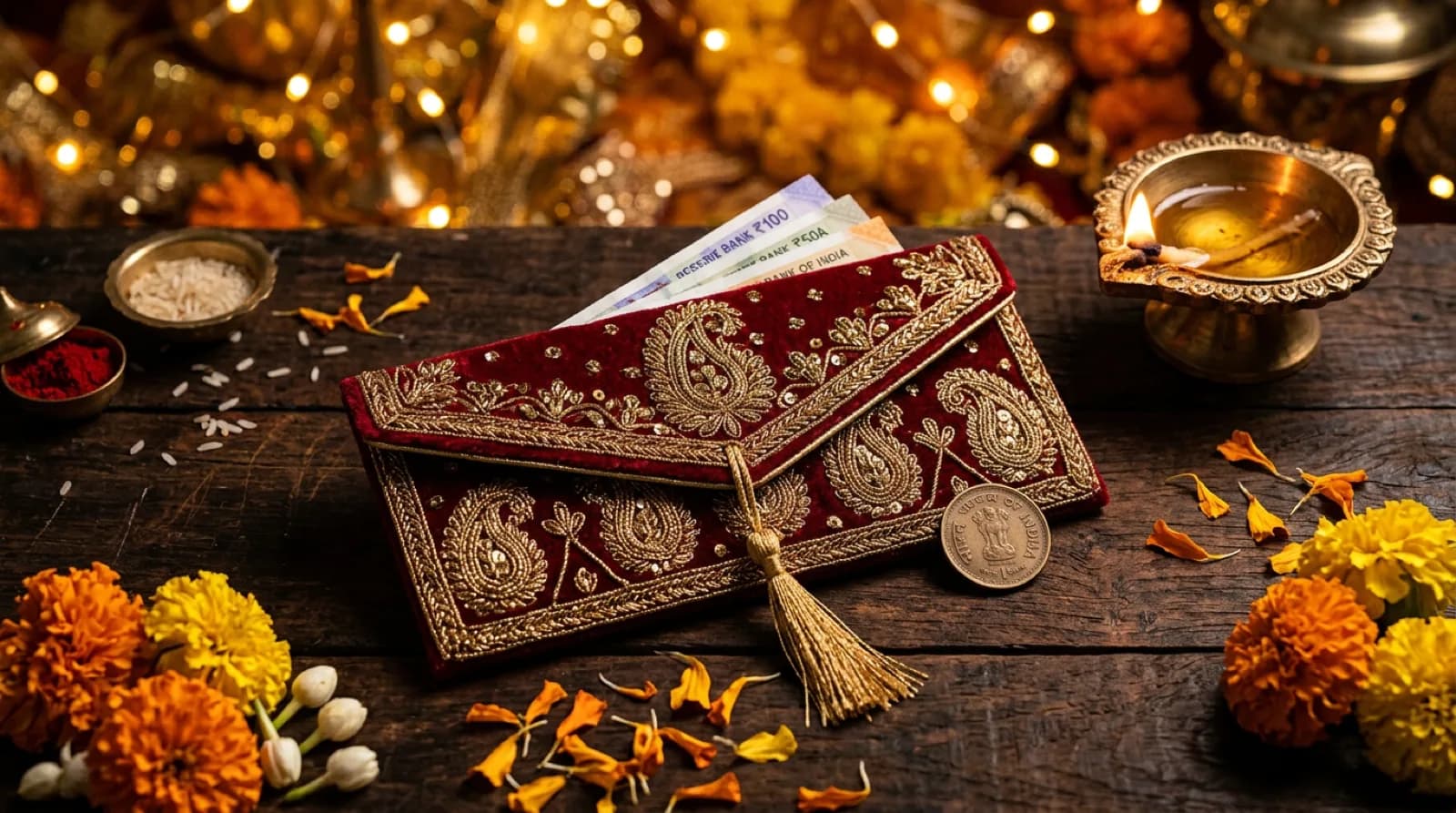
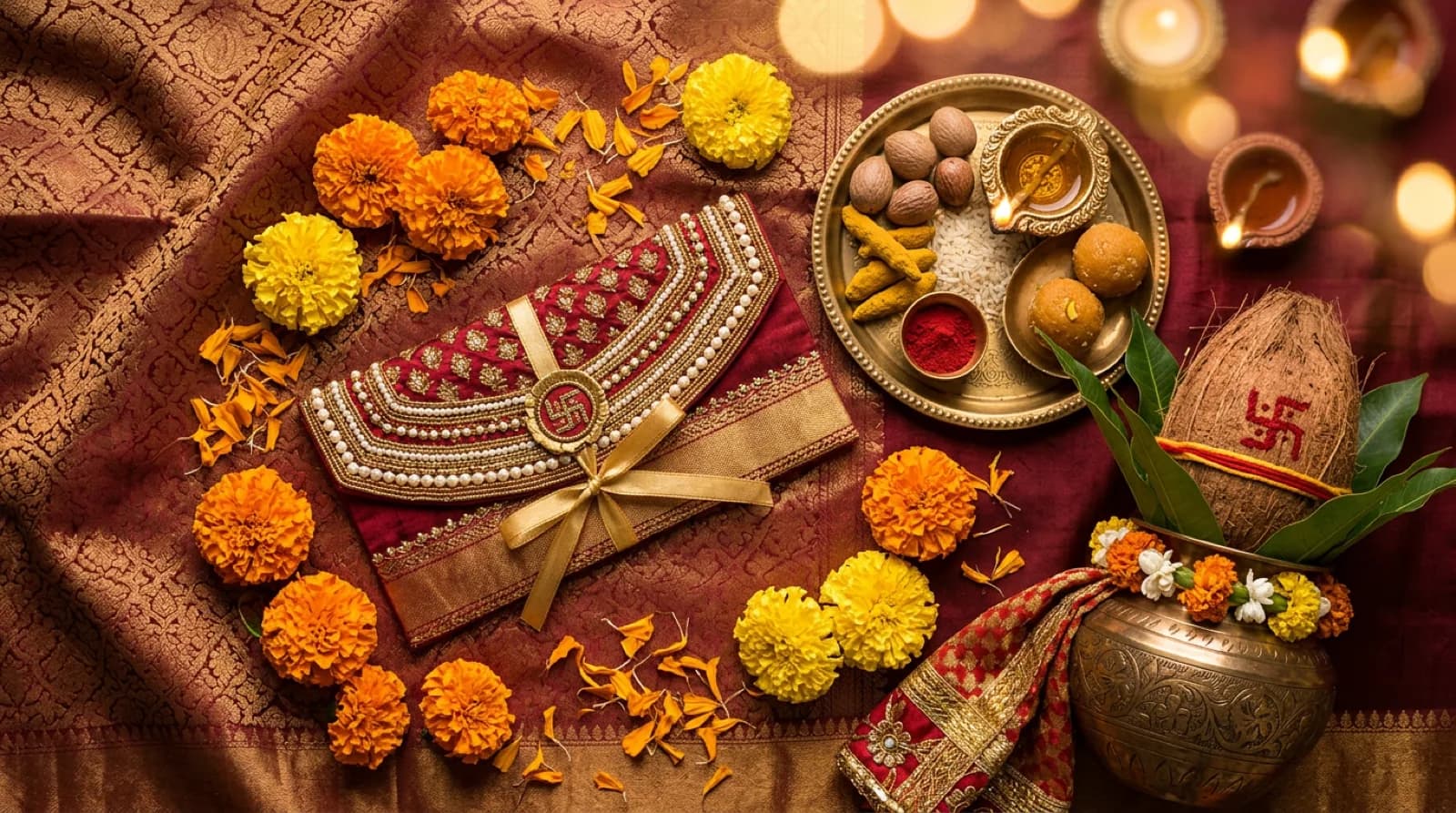
- ✓A more formal envelope — embroidered, brocade, or printed with the couple’s names in modern weddings.
- ✓Crisp notes: five ₹100s and one ₹1 coin, or one ₹500 note and one ₹1 coin.
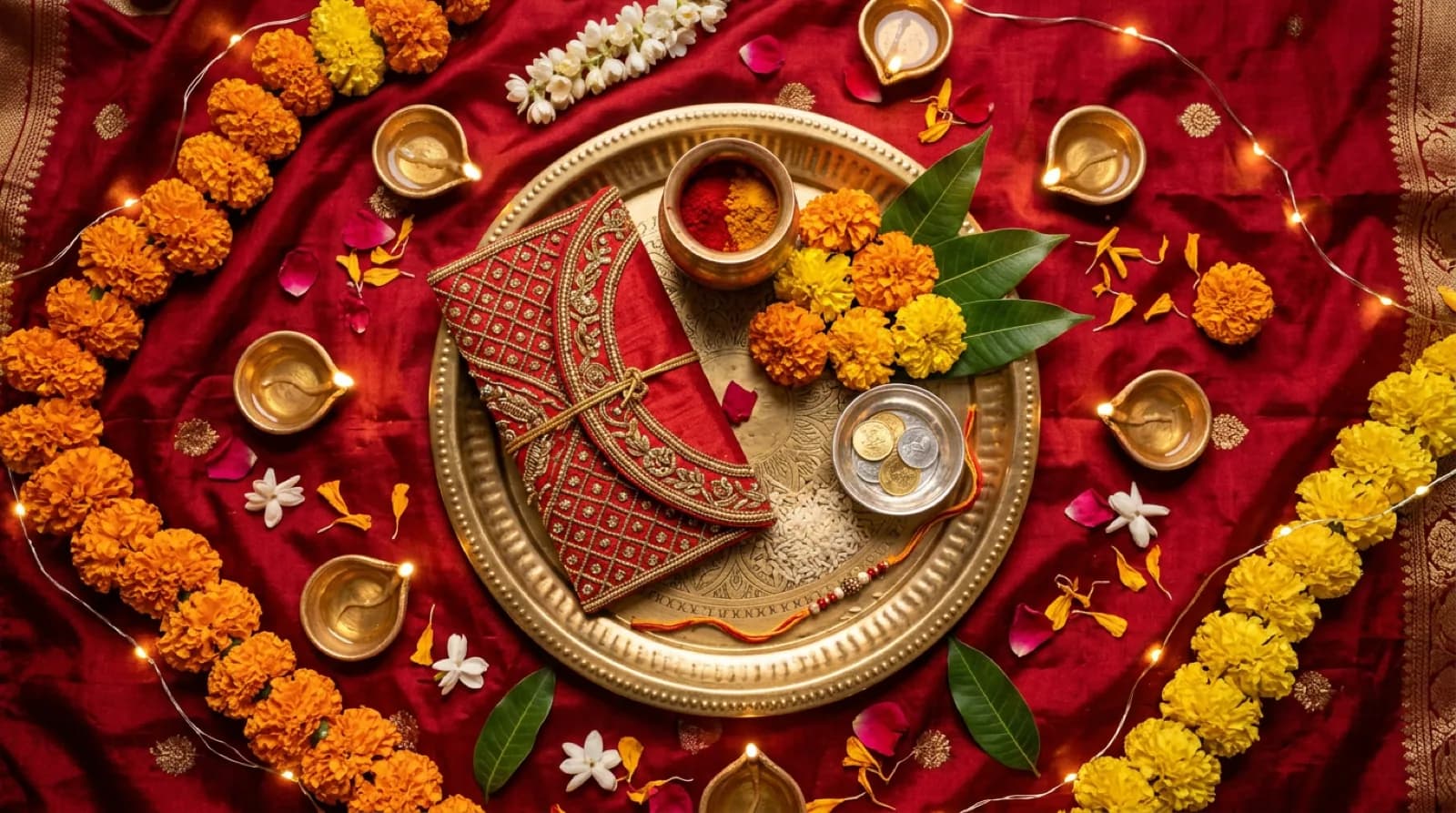
- ✓Given on a thali for very formal ceremonies, especially when the giver is elder.
- ✓Often handed over at a specific ritual moment — after the ring exchange, after the pheras, or during the welcome.
- ✓Paired with a verbal blessing (‘khush raho’, ‘sada saubhagyavati bhava’) where culturally appropriate.
Regional notes
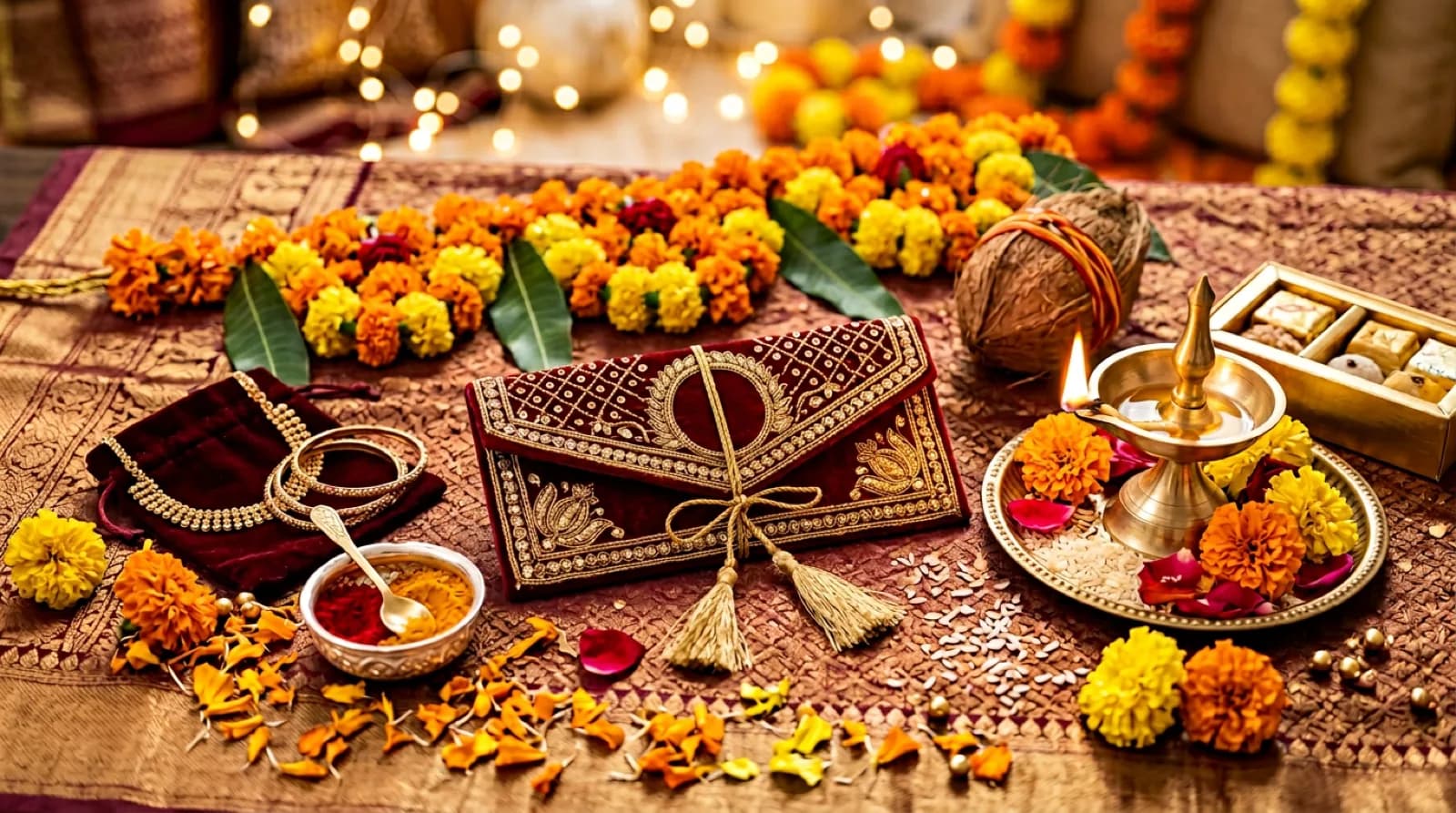
₹501 is comfortable across Hindu, Sikh, Jain, and Parsi communities in North and West India. In Punjabi and Sindhi families, ₹501 is often the standard from extended family at engagements. In Marwari and Gujarati families, ₹501 may be matched with a small additional gift like a coconut or a piece of jewellery. In South Indian Hindu families, similar amounts (₹516 or ₹551 in some communities) carry the same social meaning. In Muslim families, similar odd-amount giving is common but tied to different cultural references; ₹501 itself appears at engagements and weddings in many Indian Muslim households.
Modern context
₹501 has translated well to digital shagun. UPI transfers of exactly ₹501 are now common during wedding seasons, often accompanied by a short voice note or written message. Some couples set up dedicated digital shagun pages tied to their wedding invite, which makes ₹501 from far-away relatives much easier than mailing cash. Where envelopes once carried the message of the +₹1 coin, the UPI transaction note now does — a small line like ‘with love and blessings’ carries the same intention.
Final thoughts
₹501 is the amount of a thought-out blessing rather than a token. It is what extended family gives when they want to show up properly, what colleagues give when they are honoured to be invited, and what neighbours give when they want their good wishes to register. Like all shagun, it is the +₹1 that does the cultural work — ₹500 is a sum of money, ₹501 is a gesture.
Yaad rakhein: Shagun ka exact amount se zyada important hota hai aapka niyat, pyaar aur blessing. Amount sirf ek symbol hai.
Helpful links
Keep exploring — invitation hubs
Templates, occasions, and wording — strong paths from this article into the product surface.
FAQs – ₹501 Shagun: Meaning, Cultural Significance of Five, and When to Give It
What is the difference between ₹501 and ₹101?
₹101 is everyday auspicious giving — naming ceremonies, small pujas, festival visits. ₹501 is for bigger occasions like engagements and close-family weddings. The cultural mechanism is the same; the social weight is heavier.
Is ₹501 enough shagun for a wedding?
From cousins, family friends, neighbours, or colleagues, yes. From immediate family or very close relatives, most households step up to ₹1,100 or higher.
Can ₹501 be given digitally?
Yes. UPI transfers of exactly ₹501 are now extremely common at engagements and weddings, especially for relatives in other cities.
Why ₹501 and not ₹500?
₹500 is a closed, even amount and feels like a payment. The +₹1 turns it into shagun — an open-ended blessing that does not end on a round number.
Is ₹501 culturally appropriate at a Muslim or Sikh function?
₹501 is widely understood across Indian religious communities. In Sikh families it is common from extended relatives at weddings; in Indian Muslim families similar odd-amount giving is established practice.
Read next
Continue your learning journey with these related guides.
Shagun & traditions
₹101 Shagun: Meaning, When to Give It, and Why the Extra Rupee Matters
Why ₹101 is the most common everyday shagun amount in India, what the extra ₹1 actually represents, and when ₹101 is the right choice versus stepping up to ₹501 or higher.
5 min read
Shagun & traditions
₹1,100 Shagun: The Classic North Indian Wedding Amount Explained
Why ₹1,100 is the default wedding shagun across North India, the cultural weight of the number eleven in Hindu tradition, and when ₹1,100 is exactly right — versus when to step further up.
4 min read
Shagun & traditions
₹2,100 Shagun: The Close-Family Wedding Amount and the Significance of 21
Why ₹2,100 is the standard shagun amount from close family at Indian weddings, the cultural meaning of twenty-one in Hindu thought, and when ₹2,100 is exactly the right step above ₹1,100.
5 min read
Shagun & traditions
₹5,100 Shagun: The Immediate-Family Amount and the Symbolism of 51 Shakti Peeths
Why ₹5,100 is the immediate-family shagun amount at Indian weddings, the deep symbolism of 51 in Hindu thought — from the Shakti Peeths to the Sanskrit alphabet — and how it works as both an individual and pooled gift.
6 min read

Hindi messages
Wedding Invitation Message in Hindi: Templates for Cards, WhatsApp, and Digital Invites
Hindi and Hinglish wedding invitation message templates for cards, WhatsApp, and digital invites — with formal Shuddh Hindi versions for elders, warm Hinglish versions for family WhatsApp groups, and short scannable versions for digital invites.
5 min read